Introduction
In Nepal, farming is more than an occupation. It is a way of life, a source of livelihood, and a foundation of rural resilience. Yet every season brings practical risks, especially when pesticides are handled without sufficient protection. That is why the recent initiative by Panchkhal Beej Bhandar & Agro Center carries such importance.
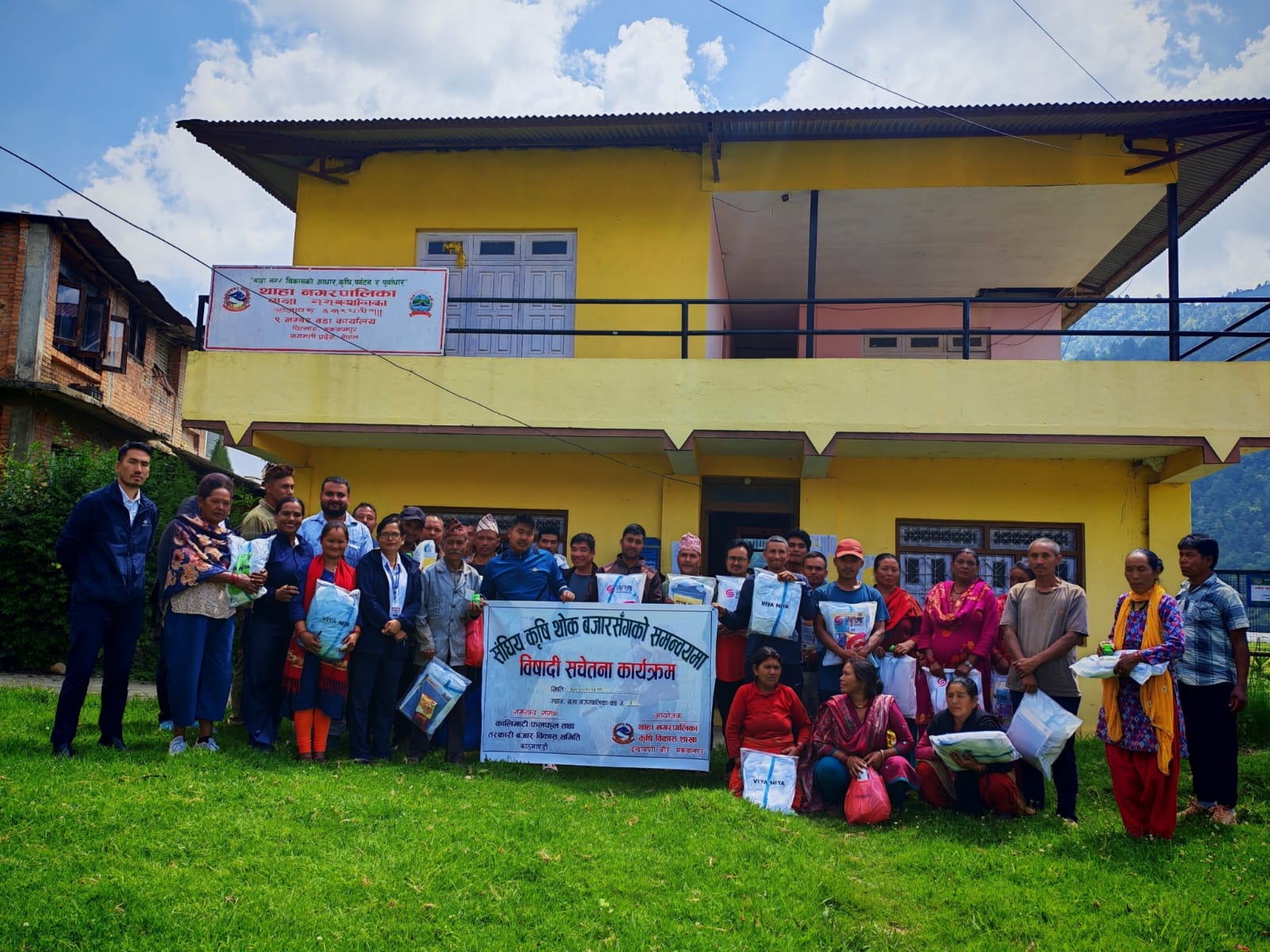
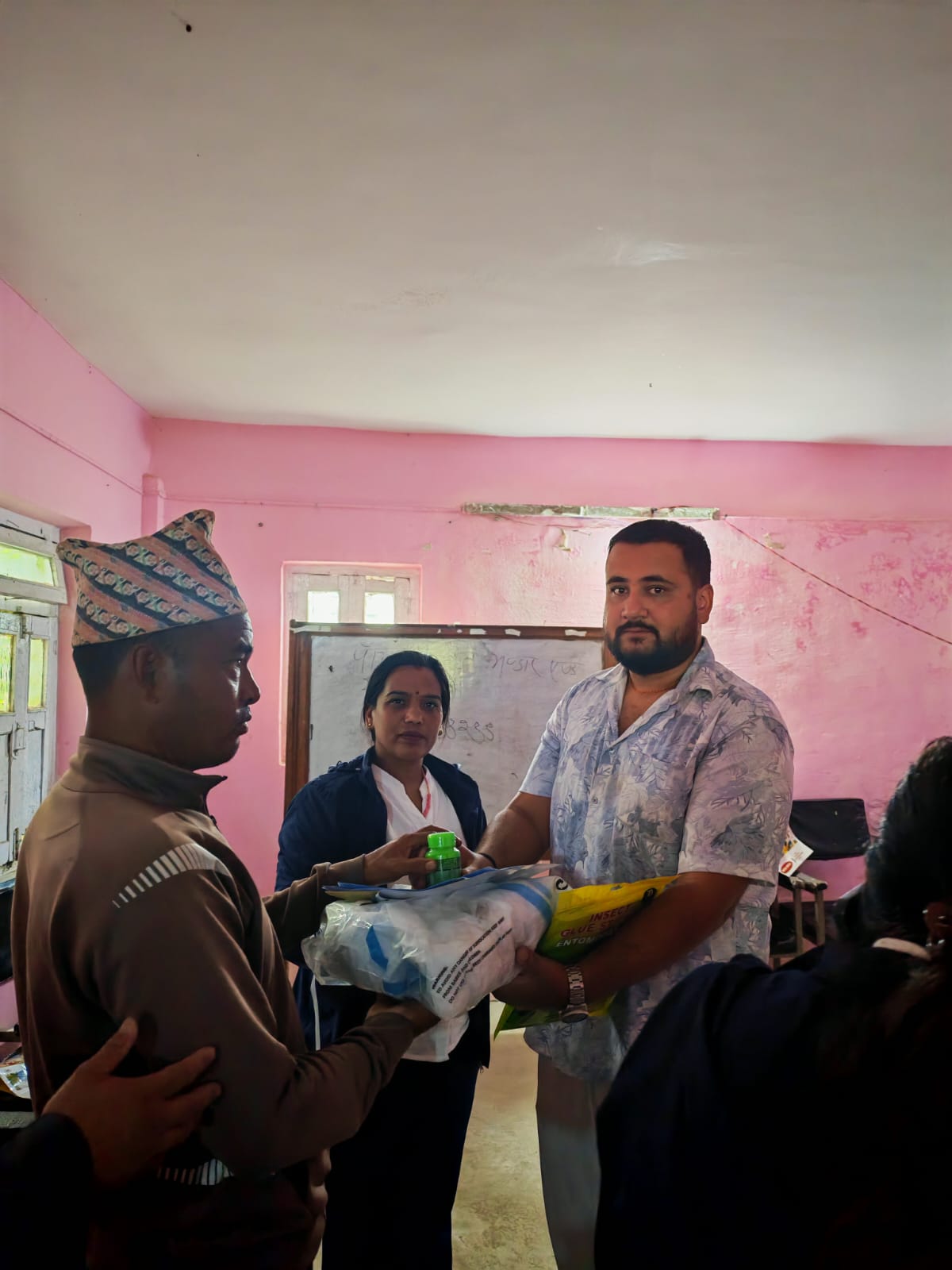
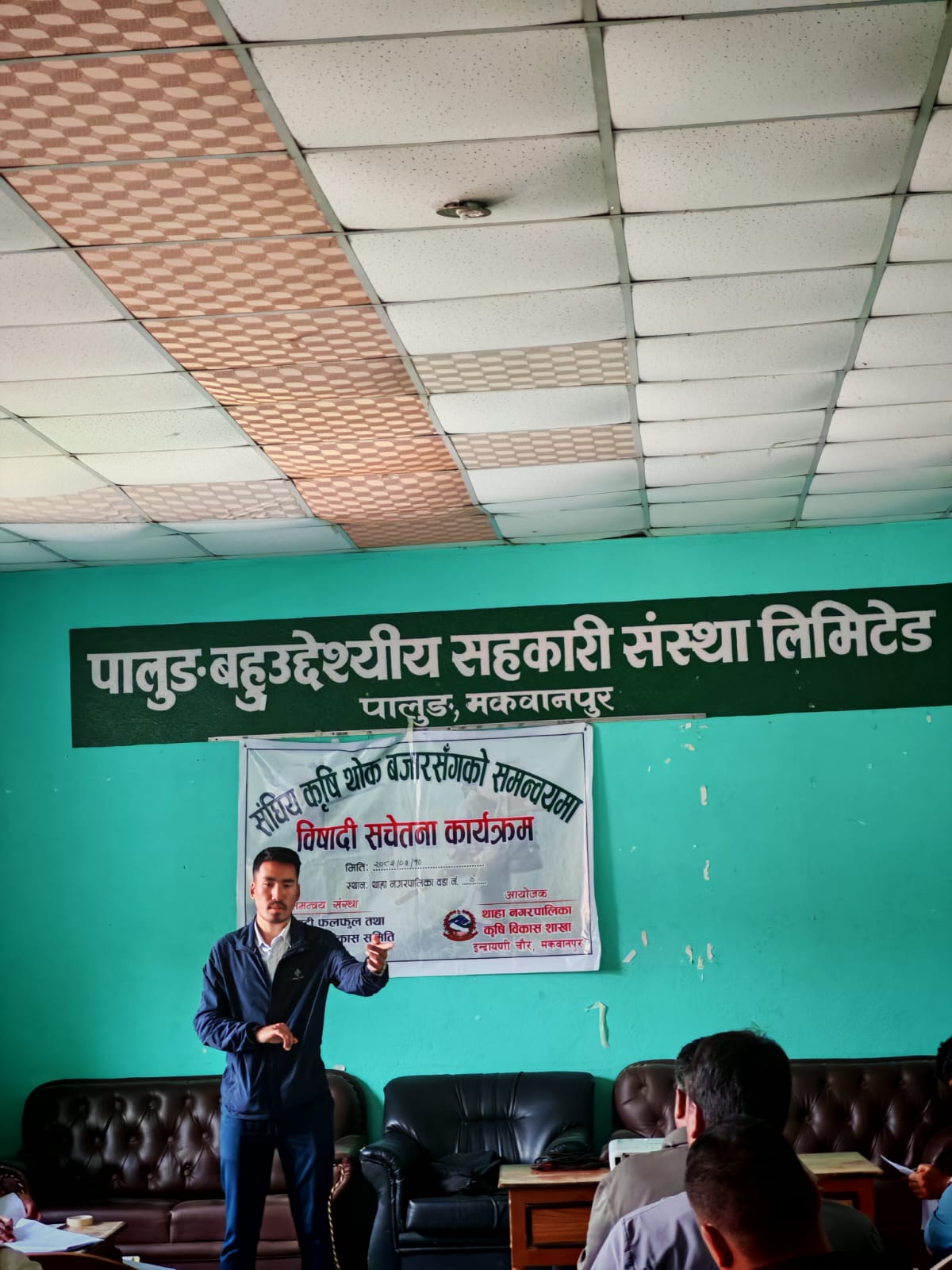
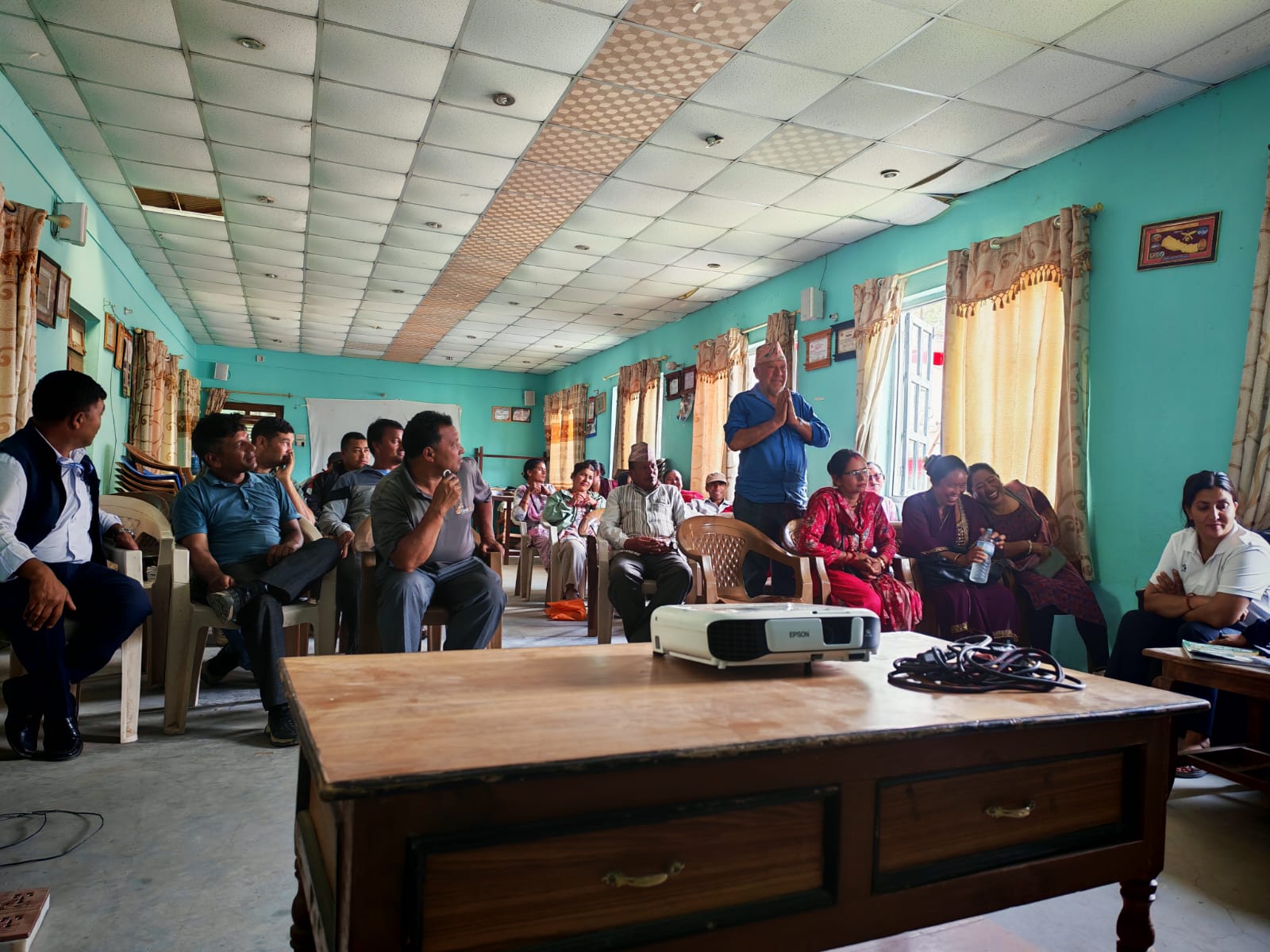
On 24 June 2026, the company participated in a pesticide awareness program organized by the Agriculture Development Section of Thaha Municipality in coordination with the Federal Agricultural Wholesale Market. As part of its Corporate Social Responsibility (CSR) efforts, the company distributed protective aprons to farmers who joined the program.
About the CSR Initiative
CSR in agriculture is not just about visibility. It is about practical support that reaches the people who need it most. Panchkhal Beej Bhandar & Agro Center demonstrated this by contributing protective equipment during a public awareness event focused on pesticide safety.
The program in Thaha Municipality brought together public institutions and the private sector around a shared objective: safer farming and stronger farmer welfare. By distributing PPE to participating farmers, the company helped turn awareness into action.
Why Does PPE Matter in Safe Pesticide Application?
Personal Protective Equipment (PPE) is one of the simplest and most effective ways to reduce exposure during pesticide spraying. Protective aprons, gloves, masks, and boots create a physical barrier between the farmer and harmful chemicals. In a sector where even small exposures can lead to serious health consequences, this protection matters greatly.
When farmers use PPE consistently, they reduce the chance of direct skin contact and chemical inhalation. That improves safety, protects health, and supports more responsible field practices. In this sense, PPE distribution is not only a support measure — it is a preventive step toward safer agriculture.
Nepal's Plant Quarantine and Pesticide Management Center recommends PPE as a core control point in its pesticide handling guidance, alongside label-directed dosing and correct storage — the same principles this program aimed to reinforce.
Highlights of the Awareness Program
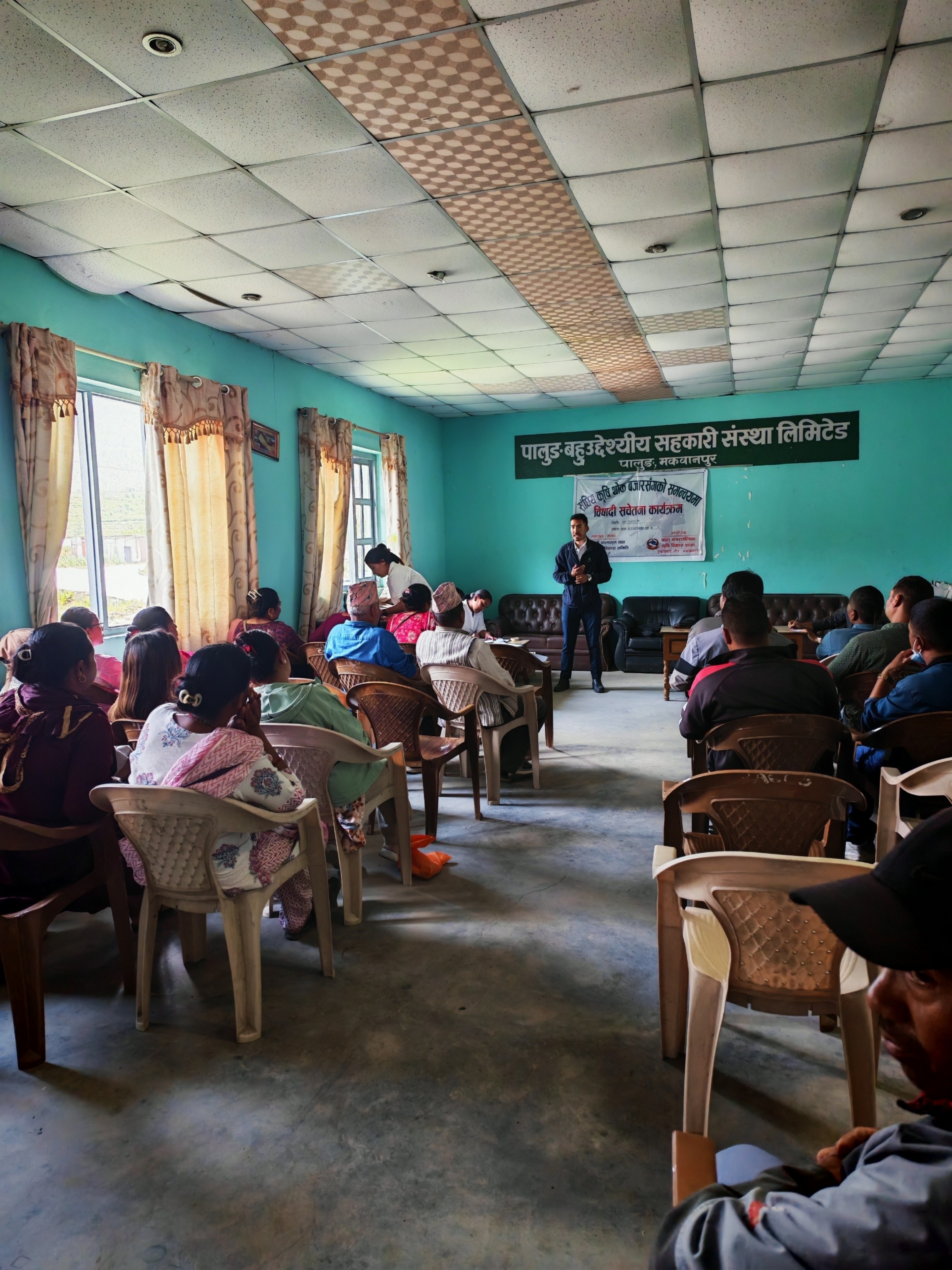
The awareness program in Thaha Municipality focused on the practical side of pesticide management. Participants were encouraged to understand safe handling methods, use recommended procedures, and apply chemicals responsibly. The event also emphasized the importance of protecting health while working in the field.
The distribution of protective aprons added a concrete layer to the learning experience. It reminded farmers that knowledge should be paired with practical tools and that safe farming begins with preparation and protection.
Recognition from Thaha Municipality
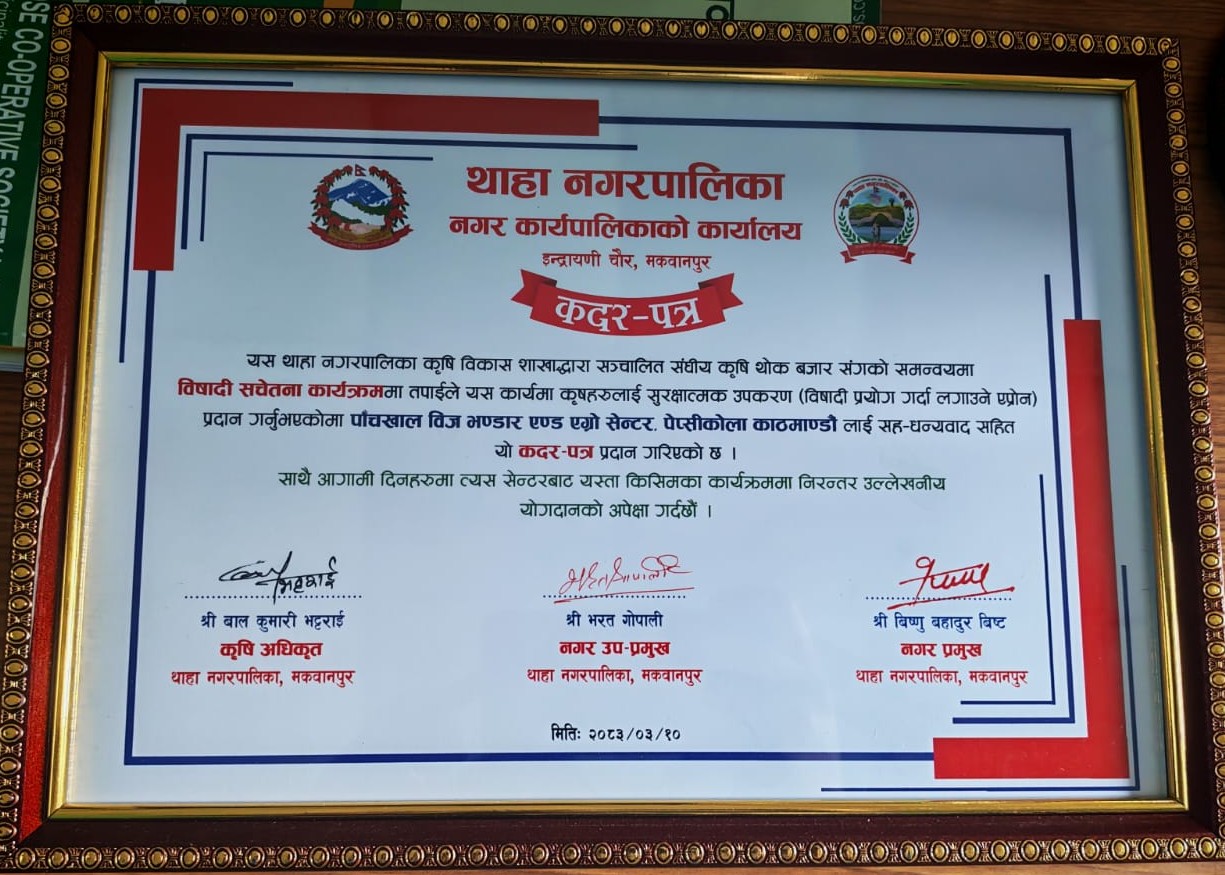
Thaha Municipality honored Panchkhal Beej Bhandar & Agro Center with a Certificate of Appreciation for its valuable contribution. The municipality recognized the company’s support in promoting safe pesticide handling and protecting farmers’ health.
This recognition matters because it reflects the trust and appreciation of local institutions. It also highlights the value of partnership between the private sector and local government in strengthening agricultural awareness.
Why CSR Matters in Agriculture
CSR matters in agriculture because the sector is directly linked to food security, public health, and rural livelihoods. Farmers are at the center of this system, and their protection must remain a shared responsibility.
When a company invests in farmer safety, the benefits extend beyond one event. It builds trust, improves awareness, encourages responsible practices, and strengthens the relationship between business and the community. That is the true purpose of Corporate Social Responsibility in Agriculture.
What This Initiative Says About Panchkhal Beej Bhandar & Agro Center
Panchkhal Beej Bhandar & Agro Center has shown that responsible agribusiness is not limited to the supply of agricultural inputs. It also includes care for the people who use those inputs every day. By supporting farmer safety, the company has reinforced its role as a dependable partner in Nepal’s agricultural development.
This initiative reflects a practical and human-centered approach to growth. It shows that business success and community welfare can move together when companies choose to act with responsibility and foresight.
Looking Ahead
The future of agriculture depends on both productivity and protection. As farming communities continue to face changing conditions and greater awareness of health risks, initiatives like this will become even more important.
There is strong potential for future programs focused on farmer training, safe chemical handling, field education, and wider access to protective equipment. Partnerships between agribusinesses, municipalities, and agricultural communities can make these efforts more effective and more lasting.
Key Takeaways
- PPE helps reduce exposure to harmful chemicals during pesticide application.
- Farmer safety is a shared responsibility that includes businesses, government, and communities.
- CSR programs can create practical, visible benefits for rural farming households.
- Collaboration between private companies and local government strengthens agricultural awareness.
| Focus Area | What Happened | Impact |
|---|---|---|
| CSR Initiative | Distributed protective aprons to farmers | Improved practical safety during pesticide use |
| Awareness Program | Held in Thaha Municipality with local agricultural institutions | Raised awareness on safe pesticide handling |
| Recognition | Received Certificate of Appreciation | Strengthened trust and public recognition |
Support Safe Farming Practices
Farmers should use proper protective equipment, follow safe handling procedures, and stay informed about best practices. Follow Panchkhal Beej Bhandar & Agro Center for more meaningful agricultural initiatives in Nepal.
Visit Our Website Contact Us